October 21, 2026
Resources
Understanding the impacts of sensory sensitivities os important for carers, clinicians but most importantly AS individuals
Founder of A.S. Social and creator of their digital social skills programme, Sam Wall shares his insights linking Social and Sensory:
Understanding the impacts of sensory sensitivities and how they affect social engagement of adults on the autism spectrum is valuable to clinicians, carers and families but most importantly to autistic individuals.
The release of the DSM V saw many changes to the diagnostic criteria for Autism Spectrum Disorder, amongst them was the recognition of hyper-or-hypo sensitivity to sensory input. YAY! However, the new diagnostic criteria leave many families and health professionals in the dark knowing little, if anything about the impact of sensory issues for people on the spectrum, and what therapies or strategies to implement as treatment. Following this further, how does sensory directly hinder social engagement for autistic adults?
Firstly we have to understand what we mean when we say ‘senses’. When we hear the word ‘senses’ most of us only think about our external senses:- vision, smell, taste, touch and audio. These keep us informed about input coming from outside our bodies. However, they can have minimal impact on us compared with our proximal (internal) senses:- the vestibular and proprioceptive senses. Our vestibular system organises balance and movement, while the proprioceptive system gives our body awareness in space.
There is also the interoceptive system - our internal body responses - am I hungry, thirsty, hot, cold, do I feel sick. Lastly, there’s the ‘controversial’ intense world theory - experiencing other people’s emotions as your own.
Together, all nine senses intermingle continuously in the nervous system, and input from each sensory system influences every other system and the reliability of all senses. So imagine the impact of 3 or 4 senses under or over-aroused – it would create chaos in your central nervous system!
Imagine sensory input affecting all of these physiological processes… exhausting, to say the least!
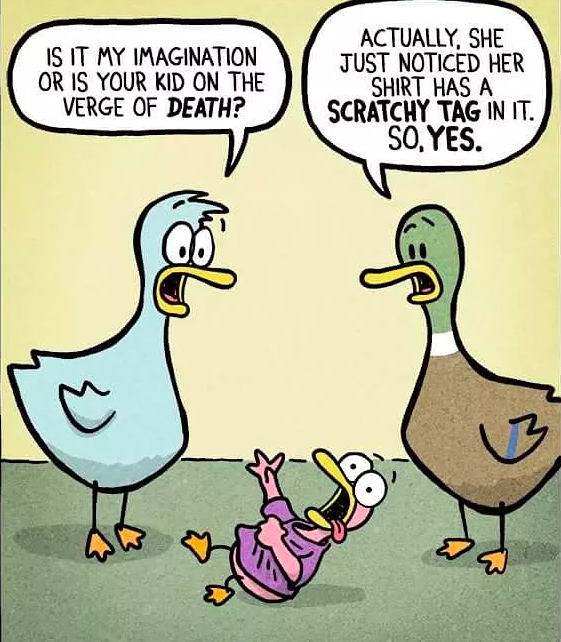
If your day was filled up with accounting for all of the sensory input you might find it difficult to leave the house or fit much else into your day. It can be exhausting for people on the spectrum to manage their sensory needs and often sensory input elicits a “pain” response in the body making tasks physically impossible.
So why is sensory so important? As an autistic adult myself, I often refer to sensory issues as “the straw that broke the camel's back” and I believe that sensory elicits a high emotional response and should be the first thing that is addressed.
These environmental factors are often out of the control of individuals, therefore, making it very difficult to regulate at an absolute level. Alongside being taught a multitude of masking techniques that essentially rendered my voice - mute.
Imagine going to your first day of work for a new company and walking into the office only to discover that the carpet is patterned and gives you an instant migraine, or that the fluorescent lighting renders you blind… these are often everyday occurrences that AS individuals are expected to cope with, but we need to remember the physical, mental and emotional toll that sensory has. And how to advocate for these needs to be met across the board.
These regulatory systems such as temperature, hunger control, etc’ can wreak havoc when they are disrupted. We also need to remember that when we see an autistic person trying to “control” or “manipulate” the situation or environment we are usually seeing a person that is experiencing sensory overwhelm.
“At A.S. Social the first thing we do when working with new participants is to create a full sensory profile. Understanding the impact of sensory on social is one of the most valuable tools in everyone’s journey. Recognising your specific needs, creating a sensory toolkit and learning how to advocate for this is imperative to positive and successful social interactions.
For instance; Understanding that I am extremely tactile sensitive and certain weather like strong winds, can hurt my skin, disorient my hearing & other senses. I can make more informed social decisions and may not spend much time out in the elements, and if I choose to engage with friends it might have to be in my house, where I feel most comfortable.
We focus on turning your senses into your superpower. My supersonic hearing or K9 like sense of smell can come in handy now I know how to harness them. “